From City Dream to Country Reality: Our Journey to Selling Upstate Land
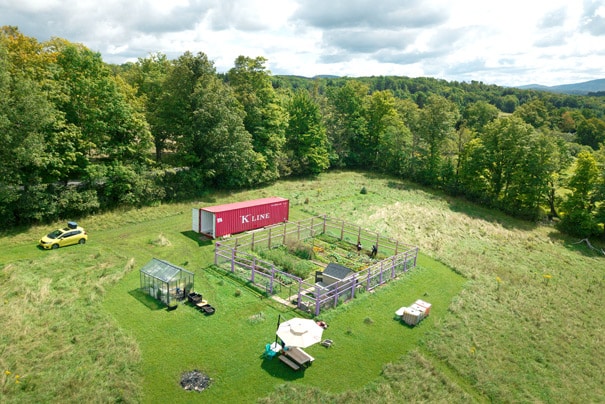
The keys are handed over, the closing documents signed, and a significant chapter of our lives officially concludes. After years of hard work, creative construction, and countless starry nights, we sold our upstate land. This isn't just a simple real estate transaction; it's the culmination of a deeply personal adventure that saw us transform a raw plot of land into a thriving garden and a unique shipping container home. The emotions are, to say the least, mixed: a pang of sadness for the dreams we nurtured there, particularly for the little Christmas trees we won't see grow, yet an undeniable wave of relief and excitement for the future awaiting us back in New York City. Join us as we recount the journey of how two city dwellers embraced rural living, built a dream from scratch, and ultimately decided it was time for a new horizon.
The Upstate Allure: Escaping the Concrete Jungle for Dirt and Dreams
Our upstate story began, as many do, with a craving for escape. Life in New York City, while vibrant and exhilarating, can also be relentlessly demanding. We yearned for space, for the freedom to dig our hands into the earth without navigating a labyrinth of permits, and for a return to something akin to our small-town roots. The idea was simple: a weekend retreat where we could plant a giant garden, tear up grass, and unwind under expansive skies. We pictured ourselves spending entire summer days immersed in nature, culminating in restful sleep to the unfamiliar, sometimes startling, sounds of coyotes.
The initial phase of this adventure was as rustic as it gets. Without a permanent structure on the land, our early weekend getaways often involved sleeping in our car. Yes, you read that right! We even made sure to test-drive a car at a dealership with the specific intent of ensuring the seats could fold down comfortably enough for an overnight stay – a request that surely left the salesman scratching his head, but ultimately resulted in a sale! On particularly frigid winter nights, we’d splurge on a $60 motel room, ordering Pizza Hut and shedding our trusty Carhartt coveralls before collapsing into bed. These simple, unglamorous nights are etched into our memories, a testament to the raw, unadulterated joy of pursuing a dream, no matter the initial discomfort.
Practical Tip for Aspiring Landowners: Before diving into a rural land purchase, consider your initial accommodation strategy. Will you camp, rent, or commit to immediate construction? Factor these costs and conveniences into your early budget. Embracing the "roughing it" phase can build resilience and truly connect you to your land, but it's important to be prepared for it.
Building Our Sanctuary: From Shipping Container to Cozy Home
As our commitment to upstate life deepened, the need for a more permanent, weather-resistant shelter became clear. This led us to one of the most exciting, and at times perplexing, phases of our journey: acquiring and transforming a shipping container into our tiny home. We sourced a robust 40-foot container from a New Jersey port, eagerly anticipating its arrival. The delivery, however, was an immediate test of our problem-solving skills.
On a chilly January morning, the flatbed trailer carrying our future home arrived. The land, sodden and slippery from winter rains, proved impassable for the heavy vehicle. The driver, unable to navigate our property, was forced to block the road and gingerly slide the massive container onto some wooden blocks we'd hastily laid on the grass. There it sat, a behemoth of steel, a daunting 200 feet from its intended spot. The question hung in the air: now what do we do?
This was the essence of our upstate adventure: a beautiful blend of improvisation and sheer determination. We embraced the challenge, calling every local contact we could find. "Do you have a tractor? Do you know a farmer looking for extra work?" Within an hour, a local farmer arrived with a forklift, and by early afternoon, our shipping container was precisely where it belonged, resting securely on timbers. (Though, we're still a bit bitter about the exorbitant fee he charged – a classic rural lesson in supply and demand!).
The shipping container, once a bare metal box, slowly transformed into a cozy, resilient home, a safe haven from summer storms and winter chills. Adjacent to it, our ambitious garden flourished, bursting with life. We also constructed a greenhouse, extending our growing season and providing a verdant oasis. Our vision truly came to life, creating a self-sufficient haven where we could cultivate food and nurture our souls.
Insights on Shipping Container Homes:
- Pros: Often more affordable than traditional builds, durable, can be sustainably repurposed, relatively quick to construct the basic shell.
- Cons: Insulation is key, obtaining permits can be tricky depending on local regulations (always research!), interior design can be challenging due to narrow dimensions.
- Logistics: Plan delivery routes carefully, especially on rural properties. Have heavy equipment on standby if you anticipate offloading challenges.
- Local Help: Cultivate relationships with local tradespeople and farmers. They are invaluable resources, though always get multiple quotes and references!
Why We Sold Our Upstate Land: The Bittersweet End of a Chapter
After years of cultivating this unique lifestyle, the decision to sell was multifaceted and deeply considered. While the memories are rich and the satisfaction of building something from scratch is immense, life in NYC continued to call. The daily realities of balancing city careers with weekend homesteading, and the sheer time commitment involved in maintaining a larger property, eventually led us to re-evaluate our priorities.
The closing marked a poignant moment. There's a particular heartbreak in leaving behind something you've poured so much of yourself into – especially the young Christmas trees we had planted, envisioning their future growth. Yet, amidst the sadness, there’s also a palpable sense of relief. Relief from the constant demands of maintenance, from the long drives, and the unending list of projects. We’re excited for the renewed focus on our lives back in the city, ready to embrace new opportunities without the demands of two separate lives.
Our upstate journey taught us invaluable lessons. We learned to be resourceful, to embrace the unexpected, and to find joy in the process of "just doing stuff and figuring it out." It wasn't always the smartest or most cost-effective way, but it was *our* way, full of adventure and romance. This chapter may be ending, but the growth, resilience, and incredible memories will forever be a part of us. You can read more about the emotional journey and practicalities behind our decision in Why We Sold Our Upstate Land: Emotions, Adventures, and NYC Return.
Practical Insights for Your Own Upstate Dream
For anyone contemplating a similar journey, our experience offers a few key takeaways:
Before You Buy
- Permit Research is Paramount: While rural areas often have fewer restrictions than cities, understanding local zoning, building codes, and septic/well requirements is crucial, especially for alternative structures like shipping container homes.
- Assess Accessibility: Consider how accessible your chosen plot is for heavy equipment, material deliveries, and utilities. A beautiful, remote location can quickly become a logistical nightmare.
- Budget Beyond the Purchase Price: Factor in costs for surveys, permits, utility hookups (well, septic, electricity), driveway creation, and initial site prep.
- Connect Locally: Before or immediately after purchase, introduce yourself to neighbors and local businesses. They can be invaluable sources of advice, assistance, and even friendship.
During Development & Construction
- Embrace Flexibility: Things rarely go exactly as planned. Be prepared for delays, unexpected challenges, and creative problem-solving.
- DIY vs. Professional: Identify what tasks you can realistically tackle yourself and where professional help is essential. Know your limits to avoid costly mistakes or burnout.
- Time Investment: Building and maintaining a property, especially a unique one, is a significant time commitment. Be honest about how much time you can realistically dedicate.
When it's Time to Sell
- Highlight Uniqueness: For properties like a shipping container home, emphasize its unique features, sustainability, and the lifestyle it offers.
- Prepare for Emotional Detachment: Selling a home you’ve poured your heart and soul into can be tough. Be ready for the emotional process and focus on the future.
- Local Market Expertise: Work with a real estate agent who understands the nuances of selling rural and unique properties in your specific upstate region.
Our journey illustrates the reality of DIY homesteading – the immense satisfaction, the unexpected hurdles, and the ultimate decisions that shape our paths. You can delve deeper into these realities and lessons learned in Our Upstate Land Chapter Ends: The Reality of DIY Homesteading.
A New Beginning: The Legacy of Our Upstate Land Adventure
Our upstate land was more than just a property; it was a canvas for our dreams, a laboratory for learning, and a profound source of personal growth. From sleeping in our car to orchestrating the complex delivery of a shipping container, every challenge forged new skills and strengthened our bond. While a part of us will always miss the rustle of the garden and the quiet solitude of our little container home, the decision to sell paves the way for new adventures. This chapter may be closed, but the spirit of innovation, the love for the land, and the joy of creation continue to inspire us. We embarked on an incredible journey, and ultimately, we sold our upstate land, carrying forward a treasure trove of memories and invaluable life lessons.
